
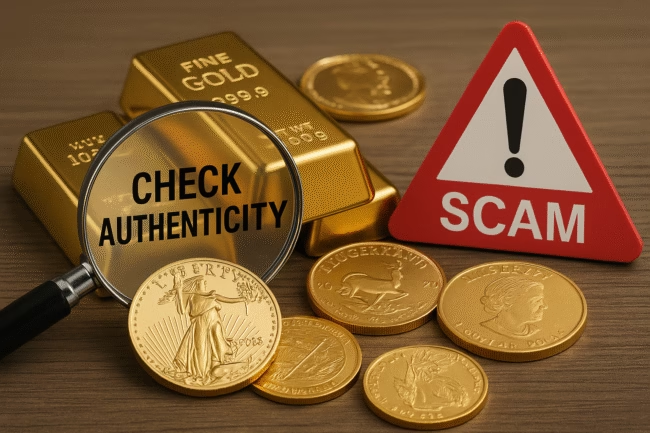
How to Choose a Trusted Gold Dealer: Protecting Yourself in 2025
Buying physical gold is one of the simplest ways to preserve wealth—but only if you know how to buy gold safely. In 2025, the market is crowded with online sellers, social-media “investment experts,” and new trading platforms offering gold at prices that sometimes look too good to resist. Unfortunately, that’s also what makes this space attractive to scammers.
Choosing a trustworthy gold dealer isn’t just a financial decision—it’s a risk-management decision. Below are the practical standards experienced buyers use to buy gold safely and avoid costly mistakes.
Know the Dealer Before You Buy: Reputation Is Everything
A gold dealer doesn’t become reputable overnight. The best ones typically have:
- a decade or more in business,
- consistent reviews across Google, Trustpilot, and BBB,
- transparent communication,
- resolved customer complaints, not ignored ones.
A good rule of thumb: If a company has too many identical 5-star reviews posted within a few days, something is off. Genuine customer feedback is usually varied, detailed, and spread out over time.
Quick credibility check:
- Search: “Company name + scam”
- Look for regulatory registrations
- Verify they have a physical office, not just a P.O. box
In the gold market, anonymity is a major red flag. When you buy gold safely, you always know who you’re dealing with.
Transparent Pricing: No Mystery Fees, No Guesswork
Gold prices move every minute. A legitimate dealer will always reference the live spot price and clearly show:
- the premium (the markup above spot),
- any transaction fees,
- shipping or storage costs,
- and taxes where applicable.
If a dealer refuses to explain their premium—or becomes defensive when asked—that’s usually a sign they benefit from keeping you in the dark.
Pro tip: Compare premiums from 3–4 sellers. In 2025, typical premiums for common coins (Maple Leaf, Krugerrand, Eagle) fall between 3%–8%, depending on demand. Understanding current pricing helps you buy gold safely without overpaying.
Certification & Authenticity: Your First Line of Defense
Gold is valuable, which means counterfeiters are motivated. A trusted dealer will provide documentation without hesitation. This is essential when you want to buy gold safely.
Here’s what you should expect:
LBMA Certification
Dealers who follow the London Bullion Market Association Good Delivery Standard work with globally recognized refineries.
Mint Certificates
Coins and bars from recognized mints—such as the Royal Canadian Mint, Perth Mint, PAMP, or Valcambi—come with:
- serial numbers,
- sealed assay packaging,
- holographic or tamper-evident features.
Consistent Weight & Purity
Investment gold should have 999.9 purity (24k) and verifiable weight. You can verify purity using tools like our gold carat calculator to understand what you’re purchasing.
If a dealer tries to sell gold without documentation or claims “certificates are unnecessary,” walk away immediately.
A Dealer’s Buyback Policy Says More Than Their Marketing
Anyone can sell gold. But only reputable companies are prepared to buy it back at a fair price. This is a critical factor when you buy gold safely—you need an exit strategy.
A strong buyback policy includes:
- a clear formula tied to current spot price,
- guaranteed acceptance of coins or bars originally purchased from them,
- transparent turnaround times.
Dealers who refuse buybacks are often overpriced sellers—or have something to hide.
Safe Transactions: Protect Your Money Before You Transfer It
Whether buying online or in person, secure payment and delivery are essential to buy gold safely.
For online purchases:
- Make sure the site uses HTTPS encryption
- Avoid sketchy payment methods like crypto-to-crypto transfers
- Prefer bank transfers, credit cards, or verified payment services
For delivery:
- Gold should be shipped fully insured, discreetly packaged, and trackable
- Check whether the insurance covers loss, theft, and transit damage
If the dealer asks you to pay through untraceable channels or refuses insured delivery, do not proceed.
Delivery & Storage: Planning Beyond the Purchase
Some dealers also provide optional storage services through vault companies such as Brinks, Loomis, or Malca-Amit.
Before agreeing, verify:
- annual storage fees,
- insurance coverage limits,
- access procedures,
- withdrawal fees or waiting times.
If the terms are vague or confusing, ask questions until everything is clear. A trustworthy dealer will explain every detail without hesitation.
Common Scam Warning Signs in 2025
| Red Flag | Why It’s Dangerous |
|---|---|
| Prices far below market | Almost always counterfeit or bait-and-switch |
| High-pressure sales tactics | Meant to push emotional decisions |
| No physical address or verifiable identity | Major fraud risk |
| Hidden or unclear fees | You pay far more than expected |
| No certificates | Fake gold or non-LBMA bullion |
When in doubt, assume caution. Learning to buy gold safely means recognizing these red flags immediately.
Practical Steps Before You Buy
These actions help protect you even if you’re new to gold investing:
- Compare at least 3–4 dealers
- Make a small test purchase first
- Keep all receipts, certificates, serial numbers
- Confirm the dealer’s status with relevant financial authorities
- Verify authenticity upon delivery if possible
Consistency is the key—not intuition. If you’re building a broader investment strategy, consider tools like our portfolio investment calculator to see how gold fits into your overall allocation.
Conclusion
Gold remains one of the most reliable stores of value, but only when purchased through a dealer you can trust. In 2025, focus on transparency, proper certification, secure transactions, and strong buyback policies. Avoid shortcuts, stay skeptical of suspicious deals, and remember:
If the offer seems too good to be true, it almost certainly is. Buy gold safely by doing your research first.
Further Reading
- London Bullion Market Association
- World Gold Council – Investment Guide
- Live Gold Price Tracker
- Gold Carat Calculator
Disclaimer: This article is for educational purposes only and does not constitute financial advice. Consult a licensed advisor before making investment decisions.